Safety First: What Every Parent Needs to Know About Kids Bunk Beds

kid beds

Introduction

The selection of a kid beds in a child's bedroom should consider safety and utility in addition to comfort and style. Kids bunk beds have become a well-liked alternative among the many accessible for parents who want to add an exciting and adventurous element to their child's room while also saving space. Kids bunk beds are attractive, but that means we have a need to make sure our children are safe when using them. This article explores the essential knowledge that parents should possess about the selection and upkeep of kids bunk beds, guaranteeing that they offer a secure resting space for kids.

kid bedsRecognizing the Allure of Children's Bunk Beds: Space Efficiency
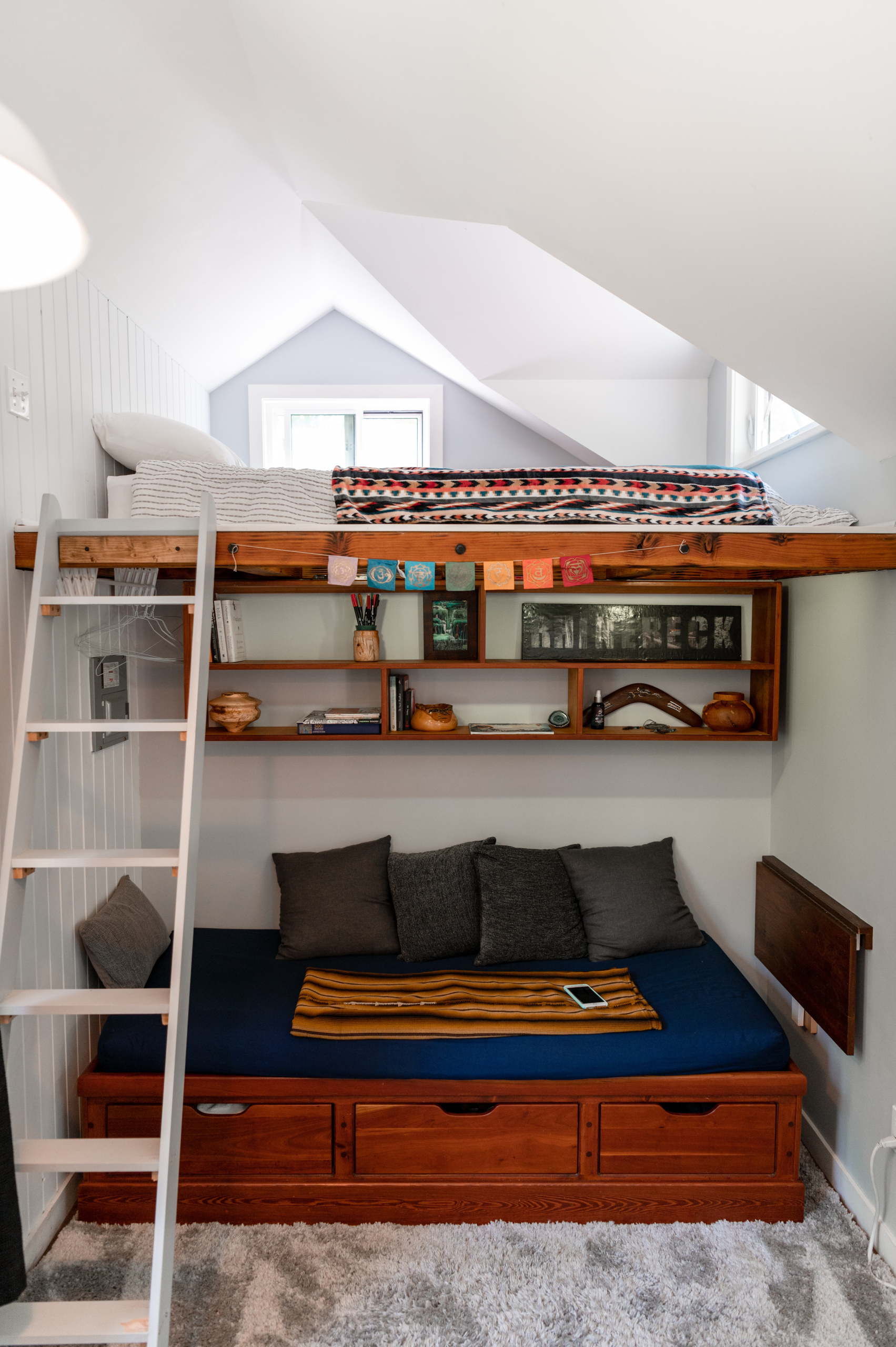
The space-saving nature of kids bunk beds is one of the main factors influencing parents' decisions. Bunk beds free up space in smaller bedrooms when floor area is limited. This space can then be utilized for kids to play or for other necessary furniture items like dressers and desks. Kids can sleep and enjoy in a cozy atmosphere when vertical space is used effectively, making a tiny room appear larger and more organized.

Having Fun with Useful Design

Not only are kids bunk beds practical, but they also come in a range of creative and practical designs that pique youngsters' interest. A kids bunk bed may provide an exciting nocturnal adventure. There are kid beds that resemble treehouses, castles, and spacecraft. There are even kid beds with tents or slides built right in. This feature of bunk beds encourages a good attitude toward sleep and bedtime in addition to making them a visually beautiful piece of furniture for kids.

beds kidImportant Safety Considerations for Children's Bunk Beds

Kid beds, especially kids bunk beds, require specific construction materials and methods to ensure their safety. Selecting kids bunk beds that are built to last and are composed of durable materials like metal or solid wood is essential. Seeking beds that have received safety certifications? Searching for kid beds with stability testing completed and no hazardous chemicals added to the paint or finish is what parents should do. Ensuring the bed's stability can significantly reduce the likelihood of accidents or injuries.

Ladder safety and guardrails

Kids bunk beds must have guardrails on the top bunk in order to avoid falls while the children are sleeping. Make sure the guardrails go around all exposed sides of the bed and are high enough to be useful even when a decent mattress is in place. For small feet to climb the ladder safely, it must also be fastened firmly to the bed frame and have wide, comfy steps.

kids bunk bedAppropriate Weight and Age Limitations

One of the most important aspects of kids bunk bed safety is knowing and following the suggested age and weight limitations. Children under six shouldn't often sleep on the top bunk because of the possibility of falls. It is critical to strictly adhere to the weight restrictions that are explicitly marked for the upper and lower bunks. This precaution is taken to prevent unauthorized use and preserve the bed's structural integrity.

How to Choose the Best Mattress for Children's Bunk Beds

In regard to guaranteeing the security and solace of bunk beds intended for children, the mattress selection is equally imperative to the bed's construction. Mattresses, being essential components of a secure slumber environment, have a substantial impact on the quality of sleep acquired by your child.

Mattress Support and Thickness

The thickness of the mattress is especially noteworthy with regard to the upper bed. A mattress with an excessive density may compromise the effectiveness of handrails, thereby significantly increasing the likelihood of falls. To keep the handrails at an appropriate height above the mattress, it is usually recommended that the thickness of the upper bunk mattress not go over six to eight inches. Additionally, for optimal growth and development, it is vital that the bedding can adequately support the spinal alignment and posture of the infant.

bunk bed kidsTaking Allergies and Sensitivities Into Account

Particularly those who suffer from allergies or sensitivity issues, it is prudent to consider these individuals when choosing mattresses for bunk beds. Hypoallergenic mattresses, characterized by their resistance to environmental contaminants such as dust mites and mildew, can offer a more hygienic slumber environment for children with sensitivity. Frequently suggested are materials with intrinsic resistance to sensitivities, including latex, wool, and organic cotton. Ensuring a consistently hygienic and allergen-free slumber environment for children with sensitivity issues can significantly enhance their overall health and sleep quality.

Upkeep and Safety Inspections for Children's Bunk Beds

Preventive safety inspections and maintenance are critical for ensuring the longevity and security of bunk beds intended for children. Mattresses are prone to gradual degradation that may potentially compromise their structural soundness, notwithstanding their inherent resilience.

Frequent Upkeep and Inspection

It is advisable to involve parents in the inspection of the bunk bed's structure, fasteners, and guardrails. It is necessary to secure all fasteners and bolts as necessary. Promptly address any indications of damage or deterioration that are detected, such as fissures in the wood or warping in the metal frames. Consistently scrutinizing the bed guarantees the detection and resolution of any potential safety hazards before they materialize into practical issues.

kids bunk bedsEducating Children on Safe Bed Use

The physical safety aspects of bunk beds are not nearly as crucial as teaching kids how to use them safely. Emphasize to kids that using the ladder is preferable to climbing on furniture or the bed frame while descending from the top bunk. By outlining the dangers of rough play and jumping on the beds, you can promote safe behavior. Establishing these routines early on can help avoid mishaps and guarantee a secure resting environment.

In summary

KIds bunk beds need to be carefully chosen and maintained in order to give youngsters a safe and comfortable place to sleep. This needs constant attention to detail. Parents may greatly reduce the risks connected with bunk beds by emphasizing strong construction, safety features, suitable mattresses, and routine maintenance. Encouraging youngsters to use these practical and enjoyable bedroom solutions safely further improves their safety. The ultimate objective is for kids to safely benefit from bunk beds, giving parents peace of mind and giving their youngsters warm, exciting dreams. Do you have any advice or experiences to share regarding choosing and keeping kid-safe bunk beds? Please share your experiences in the comments section below to foster a community of vigilant and knowledgeable parents. Together, we can make sure our kids have a safe and comfortable time while they embark on their dream journeys.